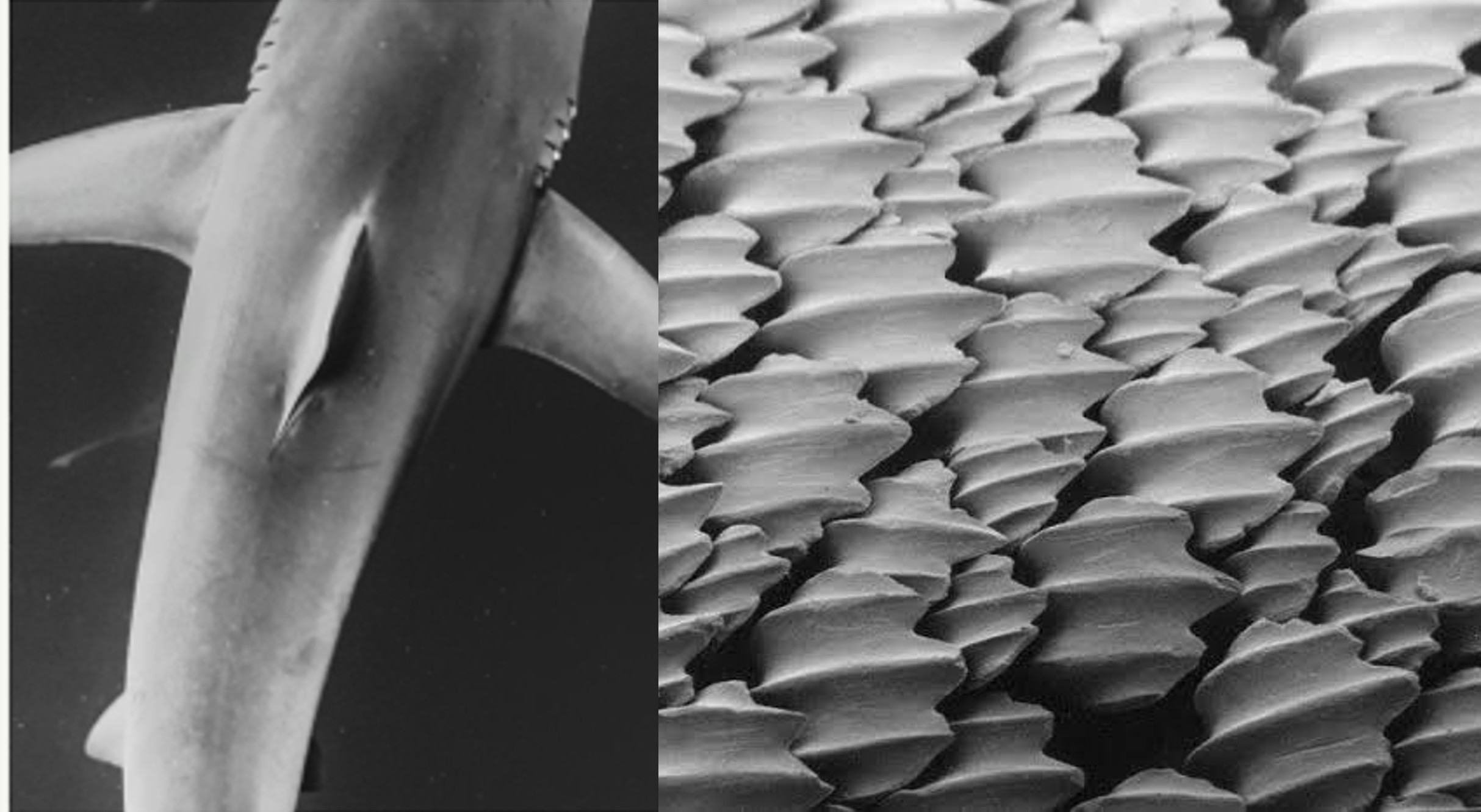
4% fuel saving per aircraft may not sound like much, but for an A320 that means 100,000 gallons less fuel burned and 1,000 tonnes of CO2 avoided. Inspired by the skin of a shark, Sydney-based MAKO has developed a film that lowers aircraft emissions by reducing drag.
We are excited to announce that we have led MAKO (formerly MicroTau) A$28m Series A, from both our second fund and on behalf of the Clean Energy Finance Corporation. This represents our fourth investment into the company. The round was joined by International Airlines Group (owner of airlines such as British Airways and Vueling), Zero Infinity Partners, Grok Ventures, Skip Capital, IP Group and TreeArc (Robyn Denholm’s family office).
Aviation – one of the globe’s hardest to abate sectors
The airline industry burns over 100 billion gallons of jet fuel each year.[1] Airlines are desperate for ways to reduce their fuel bill; it’s typically their largest operating cost, and ~3% of global emissions. Add in a fuel crisis making it even harder to turn a profit, and you’ve got a customer crying out for a solution, yet their options are limited: sustainable aviation fuel is scarce and expensive, and electric or hydrogen propulsion remain decades away for commercial fleets.
Precision engineered riblets that decarbonise the globe
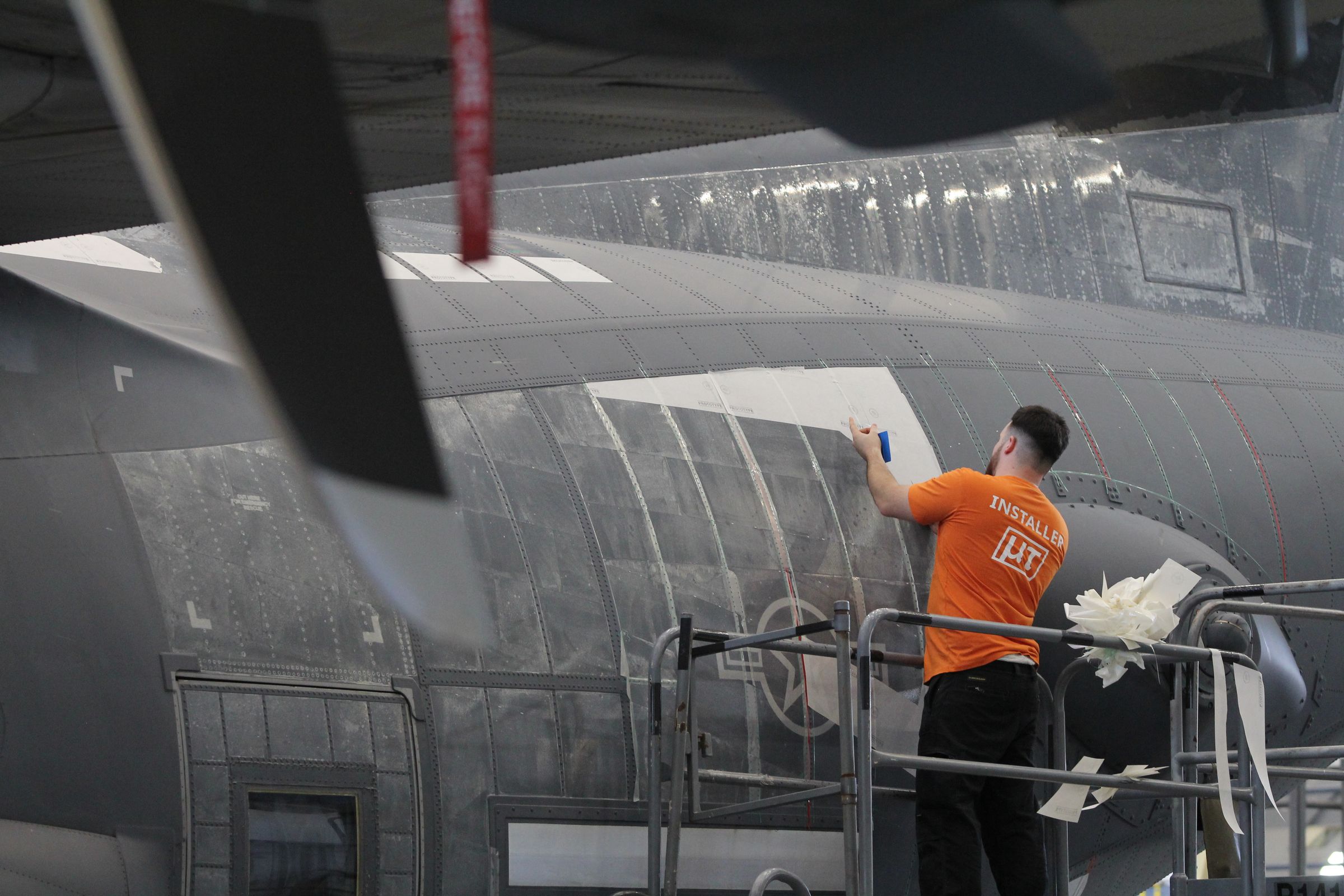
MAKO’s patented product Flightfilm comprises riblets made using precision lasers which can be applied to new aircraft and existing fleet. It requires no structural modification to the airframe, installs during scheduled maintenance periods and creates up to 4% drag reduction.
The company has a deep, contracted pipeline and strong partnerships with leading players across the globe, including:
- Vueling (an IAG airline) – MAKO’s European launch customer, set to pilot Flightfilm on its A320 fleet this year;
- Delta Air Lines – partnering under the Sustainable Skies Lab program and assisting with the US certification process; and
- US Air Force – an early supporter that validated Flightfilm at over 4% net drag reduction in flight trials on a C-130J, and who is currently under contract with MAKO for C-17 operational trials to improve fleet mission capability.
World class team shaping an industry
While the strength of the customer pipeline speaks for itself, it is the exceptionally strong calibre of the team that we’re most excited by. MAKO’s senior team bring together a rare combination of exceptionally intelligent and immensely passionate people, who have an uncanny ability to will the future into existence.
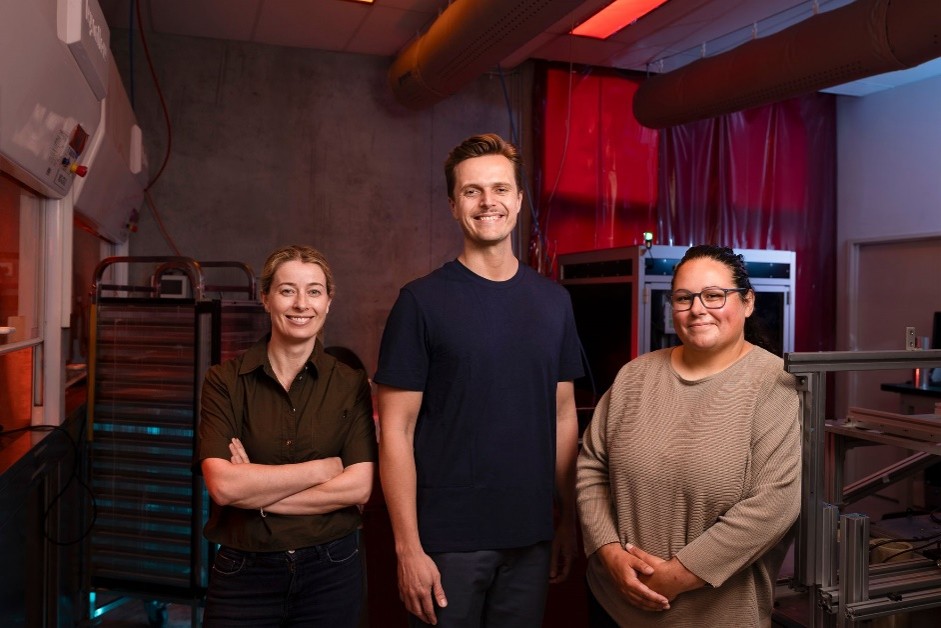
Henry (CEO, middle) founded the company after his riblet design won a USAF Research Laboratory open challenge from roughly 300 global submissions, evaluated by a panel including NASA, Boeing, Lockheed Martin and MIT. He also makes a mean cocktail.
Candice (COO, left) joined MAKO in 2020 from Citadel in the US where she led teams of c. 50 people and has become the company’s commercial engine, turning flight trials into partnerships.
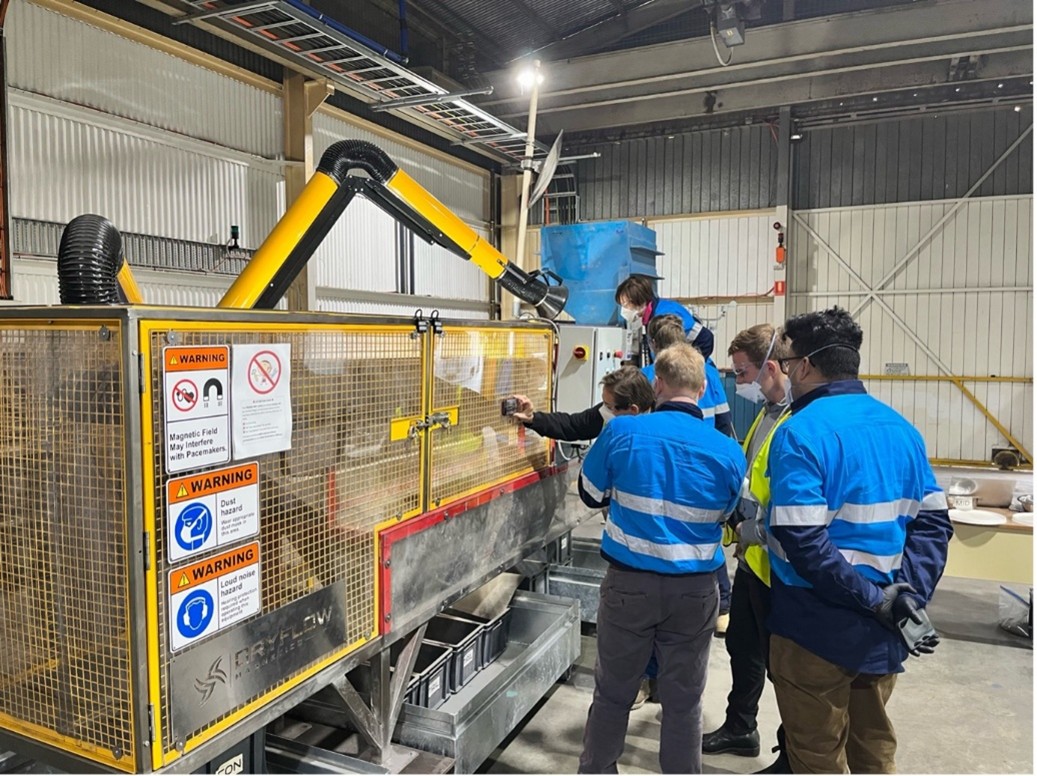
Rebecca (CTO, right) brings two decades of hardware development from Nanosonics, Baraja and Finisar to the work of turning a laboratory result into a product that is now on the path to flight certification.
The hard part is the moat
What makes this challenge so hard is exactly why we believe MAKO can be the biggest Australian aviation story since Qantas. Bringing riblets to market means years of testing: surviving temperature, pressure, weather and durable performance, and then clearing certification that includes having global regulatory bodies agree the product is safe for flight. MAKO is now at the threshold of its first certifications, working with regulators and partners across worldwide to bring riblets to the global fleet. With only one competitor that has a product in market today, we believe that MAKO has the potential to reshape the future of aviation.
For further details or any questions, please reach out to Blair Pritchard.
[1] International Air Transport Association, 2026